

From Field to Flight: Building Practical SAF Certification Pathways for US Agriculture
.
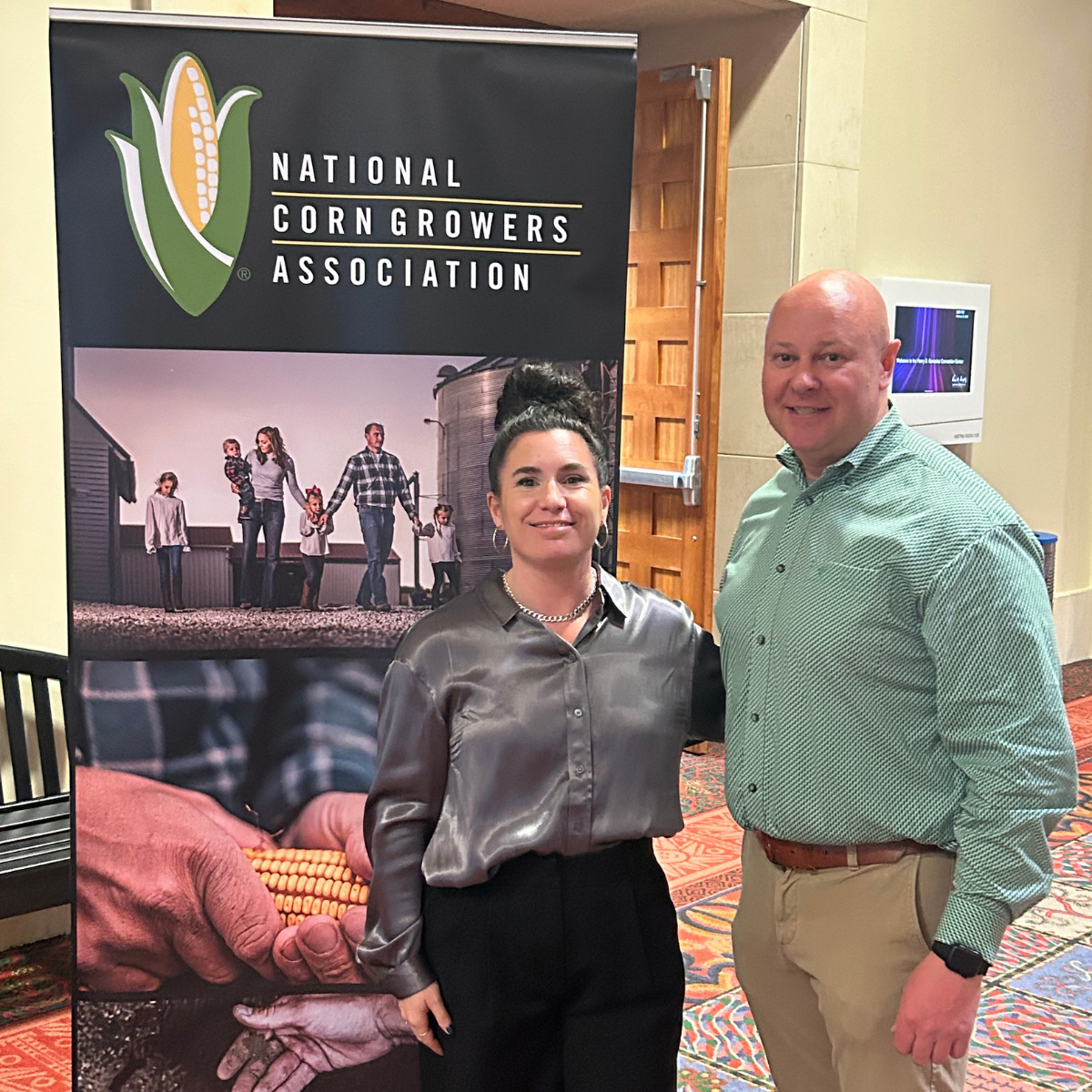
On 24 and 25 February 2025, RSB co-hosted the SAF Feedstock Certification Workshop in San Antonio, Texas, alongside the National Corn Growers Association (NCGA) and the United Soybean Board (USB), held at the Commodity Classic trade fair. The workshop brought together participants from every stage of the SAF supply chain: corn and soy farmers, farmer associations, fuel producers including Gevo, Valero and Repsol, biofuel associations including Clean Fuels Alliance America, airlines including United and Delta, aircraft manufacturers including Airbus and Boeing, and environmental organisations including The Nature Conservancy.
The objective was focused: to advance practical certification pathways for agricultural feedstocks in the US, aligned with internationally recognised frameworks including ICAO CORSIA and RSB Global certification, in close partnership with US agricultural leaders.
The breadth of participation was itself a signal. When farmers, fuel producers and airlines occupy the same space, the conversation shifts from theoretical to practical. That shift was the point.
.
Bringing the Full SAF Value Chain Together
.
The workshop was designed to do something the SAF industry rarely achieves: put every actor in the supply chain in the same room. Farmers who grow the feedstocks, companies that process and blend them into fuel, airlines that purchase and use that fuel, and the organisations that set the standards sat alongside one another for two days.
It was a rare space where biofuel producers and airlines could hold direct dialogue with farmers, learning about on-the-ground practices and understanding the real bottlenecks to achieving sustainability certification.
“Sustainable aviation fuel represents a tremendous opportunity to connect America’s farmers with America’s airlines in our common interest of developing the U.S. SAF market. We appreciate RSB, the National Corn Growers Association and the United Soybean Board bringing people together to work on certifying the credible feedstock supply chains in the U.S. that can help the aviation industry meet its SAF ambitions,” said Sean Newsum, project facilitator for Airlines for America.
.
What the Workshop Set Out to Do
.
The agenda was structured to move from technical to strategic. A dedicated session examined how to streamline sustainability certification indicators for US agricultural supply chains, identifying where existing requirements align and where gaps remain. A high-level roundtable then brought value chain actors together to discuss alignment across the supply chain. A guided tour of the Commodity Classic trade fair rounded out the programme, connecting airlines and SAF producers directly with agricultural innovators working at the production frontier.
Representatives from NCGA and USB presented overviews of the data collection systems already in use at the farming level, systems that enable US farmers to aggregate data for reporting and operational purposes.
.
The Finding That Changes the Conversation
.
The most significant insight from San Antonio was not a new problem identified. It was streamlining the requirements already in place while generating market value for all stages of the supply chain.
“US farmers already collect substantial farm-level data. The work now is connecting that data to internationally recognised certification pathways in a way that works for them and adds measurable value to their crops” stated Amparo Arellano RSB’s Standards & Certification Director.
That reframes the challenge considerably. Certification for US agricultural feedstocks is not a question of whether farmers can meet the bar. It is a question of how existing data systems and certification frameworks can be aligned to make the pathway clear, accessible and valuable.
For farmers, that alignment means their corn and soy crops can command greater value in the SAF market. For fuel producers, it means a more reliable and credible supply of certified feedstock. For airlines, it means greater confidence in the sustainability credentials of the fuel entering their supply chains.
Interested in what SAF feedstock certification could mean for your supply chain? Explore RSB certification.
.
RSB’s Role in Building What Comes Next
.
RSB’s participation in this work reflects its broader approach to sustainability certification: convening the stakeholders who need to be in the room, identifying where practical solutions can be built, and developing certification frameworks that work for operators at every stage of the supply chain.
The partnership with NCGA and USB represents a concrete step in expanding RSB certification in the US agricultural sector. The insights gathered, the connections made, and the alignment begun at Commodity Classic will feed directly into the next phase of developing practical certification pathways for US corn and soy as SAF feedstocks.
This work is made possible through the active participation of project partners Airlines for America, United Airlines, Alaska Airlines, Boeing, Delta, Gevo and Airbus, whose commitment to advancing certified agricultural feedstock supply chains is driving progress across the full value chain. RSB thanks NCGA and USB for their leadership in convening US agricultural voices and for their ongoing partnership in this work.
.
The US Agricultural Sector Is Ready
.
The level of engagement at the workshop confirmed what RSB has long understood: the appetite for certified agricultural feedstocks in the US is real, the infrastructure to support certification is largely already in place, and the market value of getting this right is significant for every actor in the chain.
The question is no longer whether US agricultural feedstocks can play a central role in scaling the sustainable aviation fuel industry. It is how quickly the right frameworks can be put in place to make that happen, while ensuring the sustainability and credibility of the biofuels sector.
If your organisation produces SAF, works with agricultural feedstocks, or wants to help shape the certification frameworks being built for the US market, explore RSB certification and RSB membership to find out how to get involved.
.
.
.
.
.